


What is depression?
You may be depressed if you:
- have a low mood that lasts a long time (weeks or months) and affects your everyday life
- lose interest and pleasure in things you used to enjoy
- feel like you do not have any energy.
Important: See your GP if you have feelings of depression
It’s important to see your GP if you think you might be depressed. Do not delay getting help. The sooner you see your GP, the sooner you can get support and advice to help you recover and feel better.
Depression may not stop you leading your usual life, but it can make everything feel harder to do and seem less worthwhile.
At its most severe, depression can make some people have suicidal thoughts.
Anyone can experience depression, and there are lots of different reasons why people might be depressed.
There are lots of organisations offering support and advice for various mental health conditions, including depression.
The NHS has more information and advice about depression, including the symptoms to look out for.
Immediate action required: Call 999 or go straight to A&E if:
you’re having thoughts about harming yourself or taking your own life.
You do not have to deal with this alone. You’re not wasting anyone’s time by asking for help.
Find out how to get help in a mental health crisis from the charity Mind.
Depression and your lung condition
Studies show that you’re two to three times more likely to get depression if you’re living with a long-term physical health condition, compared to someone who is in good physical health.
If your lung condition means you’re unable to do certain things, being depressed can mean you feel even less able to do things. This in turn can make you feel more depressed.
Living with a lung condition can sometimes cause problems in other areas of life too, like at work or school, if you need to take time off because of symptoms being worse.
Also, the side effects from some medicines can increase the risk of becoming depressed, or make it harder to recover from depression.
If you already have depression, having a long-term lung condition could make your depression worse, especially if your condition limits what you can do on a daily basis.
Depression is less likely if your condition is well controlled. You may find that with good support and treatment to help you deal with your depression, you’ll be able to manage your lung condition better and lower your risk of asthma attacks or flare ups.
Break the cycle of depression and symptoms
Depression may make it feel harder to look after your lung condition properly. As your symptoms get worse, you may feel more depressed, and find it harder to get on top of your mood.

Try to break this cycle with three steps:
- Talk to your GP or specialist about all your symptoms.
- Do one thing today to help lift your mood. For example, you could call a friend, go for a walk, or do something you enjoy doing but have not done for a while. Get more ideas of ways you can help yourself when you're depressed from the charity Mind.
- Share your feelings with other people who have long-term lung conditions by joining our support groups or our online communities on HealthUnlocked - we have a forum for anyone with a lung condition and a forum for people with asthma. It could make you feel less alone.
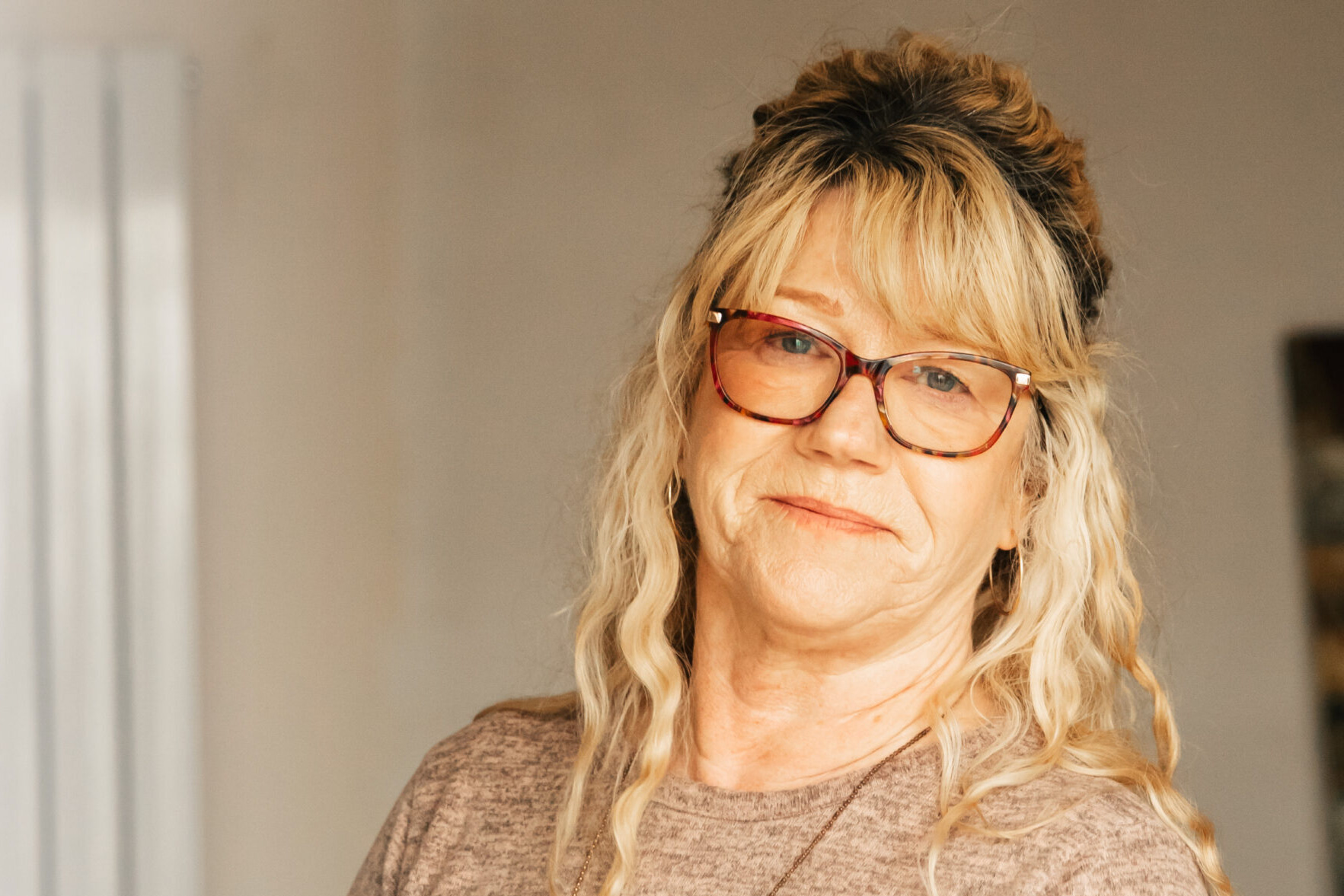

There are days where even just getting out of bed can feel like a challenge.
Is depression a side effect of my medicines?
Talk to your GP, pharmacist, or other healthcare professional as soon as possible if you’re experiencing any side effects from your medicines.
They may be able to adjust the dose or support you in managing the side effects.
If you need to take high dose steroids for your asthma or lung condition, there is a higher risk of side effects, including depression.
Important: Montelukast side effects warning
Montelukast is an add-on medicine that can help some people with asthma. It’s been linked to side effects like depression and anxiety. But these are not common, affecting between 1 in 100 to 1 in 1000 people. If you notice any changes in your mood, or your child’s mood, see your specialist, GP or nurse as soon as possible.
There is also a very rare possible side effect of suicidal thinking, that affects fewer than 1 in 10,000 people. If you do get this side effect, stop taking the medicine immediately and talk to your specialist, GP or nurse as soon as possible.
Treatments for depression
Your GP can talk to you about talking therapies and whether you’d benefit from taking medicines for your depression.
It’s important to see your GP so you can get the right diagnosis and the right treatments.
The treatment your doctor suggests will depend on your own preference and whether your depression is mild, moderate or severe. They’ll also take into account your lung condition and what medicines you’re taking.
There are lots of different treatment options for depression, including:
- talking therapies like cognitive behavioural therapy (CBT)
- support groups for mental health
- self-care, including doing exercise
- antidepressant medicines.
If you’re living with a lung condition that makes you breathless, you may also benefit from a referral to a pulmonary rehabilitation (PR) course. Research has shown PR improves not only your fitness, but your mental wellbeing as well.
Your GP or healthcare professional can also give you advice if you’re thinking of complementary therapies like massage or meditation to help with symptoms of depression.
The charity Mind has more advice about how to seek help for a mental health problem.
Taking antidepressants
Antidepressants can relieve the symptoms of depression. There are lots of different antidepressants licensed for use in the UK.
Antidepressants prescribed by your doctor have been shown to work best when taken alongside counselling or other kinds of talking therapy such as CBT. Talking therapies can help you with the causes of your depression over the longer term.
Talking therapies also support you to manage your emotional wellbeing in the future.
Before you start taking antidepressants, you should always talk to your GP or a pharmacist about any medicines you're already taking. This is because there might be some antidepressants you need to avoid. For example, the anti-depressant fluvoxamine is not recommended for someone taking theophylline.
Your healthcare professional can tell you which antidepressant is likely to work best for you.
They can:
- consider your lung condition and the medicines you take to manage it
- tell you about the possible side effects the drugs may have
- explain all the risks and benefits of particular types of antidepressants.
There's no evidence yet that one particular anti-
What about complementary treatments for depression?
Always speak to your GP or other healthcare professional before trying herbal treatments available without prescription from chemists or health food shops.
For example, St John’s Wort is not recommended by National Institute of Clinical Excellence (NICE). This is because it could react badly with other drugs, and because doses and strengths of the different products sold can vary.
Find out more

Keeping active with a lung condition

Groups + support

Get support
Call or email our helpline for support with any aspect of living with a lung condition – whether you need practical advice, emotional support, or answers to health-related questions. You can also find support through our groups.